

Whistleblowing and Incident Management Best Practices
An effective process for handling whistleblowing and a strong incident management system are necessary strategic advantages for organizations. The core element...

Executive Abstract
The core elements of an incident management process are a flexible intake system that helps people to submit complaints; consistent processes that can automate as many investigative steps as possible; and data analytics capability that helps managers to study issues in aggregate, and then make improvements to policies, procedures, and controls.
Above all, however, compliance officers should build a compelling business case to invest in robust incident management systems. Such systems don’t just satisfy regulatory expectations for a compliance program (although they definitely are necessary to satisfy those expectations). Fundamentally, they help the company to manage and resolve issues more quickly, so executives won’t be distracted from business objectives.

Unlock Report Access
Complete this brief form for instant PDF access.
Related Executive Research
 eBook
eBook
Time-to-Fill Fact Book
Employers estimate that, on average, they lose more than $14,000 for every job that stays vacant for three months or longer. To be a competitive recruiter, you...
 Guide
Guide
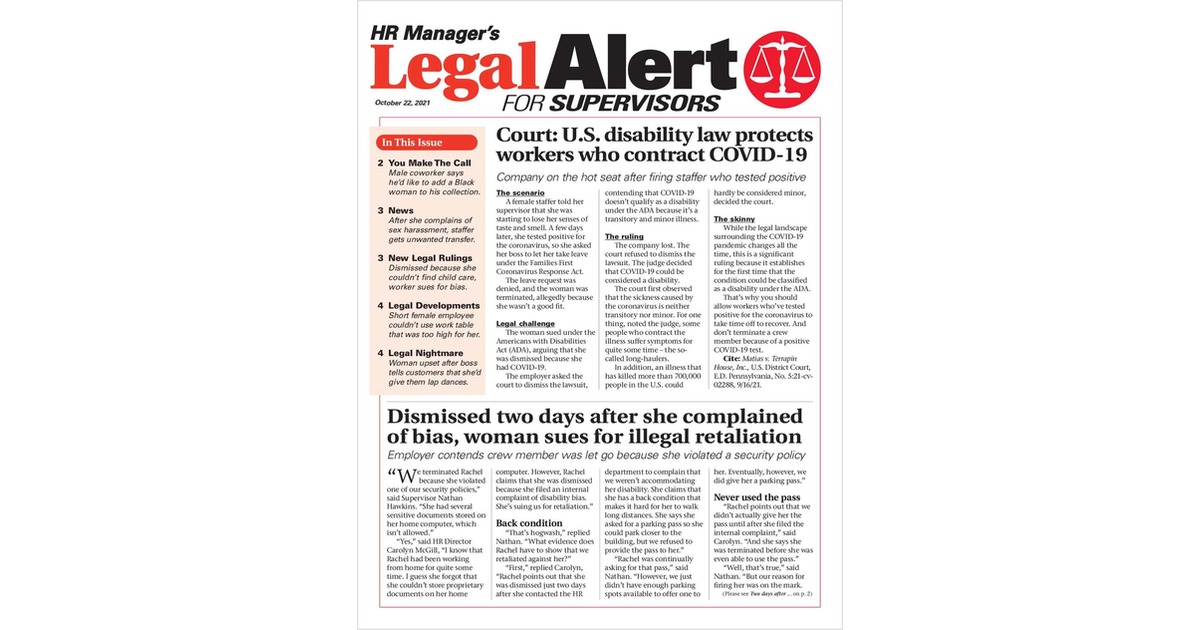
HR Manager's Legal Alert for Supervisors Newsletter: October 22 Edition
Download the current issue of HR Manager’s Legal Alert for Supervisors now! For a limited time, you – and your supervisors – can start benefitting from t...
 Guide
Guide
Employer's Guide to Mental Health
All of us witnessed demonstrations and civil unrest, economic uncertainty, unprecedented levels of unemployment, election year acrimony, social isolation, and...