
Service Management Automation: 5 Benefits and How to Achieve them
The IT world has embraced it as a way of putting the customer first, and it’s transformed the way many IT departments think about service requests. Customers...
Executive Abstract
The ultimate goal of any service management strategy is to deliver value at every stage of customer service, whether we’re talking about an external customer or an internal one. To do that, departments have to first define those stages. What does the intake process look like? Where does a service ticket go after that?
This level of defined structure is necessary all the way through the service fulfillment process; the strategy’s design isn’t complete until someone can look at the process and identify, at any given point between request intake and fulfillment, what’s happening with the request and who has charge of it.

Unlock Report Access
Complete this brief form for instant PDF access.
Related Executive Research
 Asset
Asset
The Benefits of Video in a Converged Communications Environment
This Frost & Sullivan brief will identify the benefits of video collaboration in a changing workplace; highlight the ways in which video over IP can help compan...
 Guide
Guide
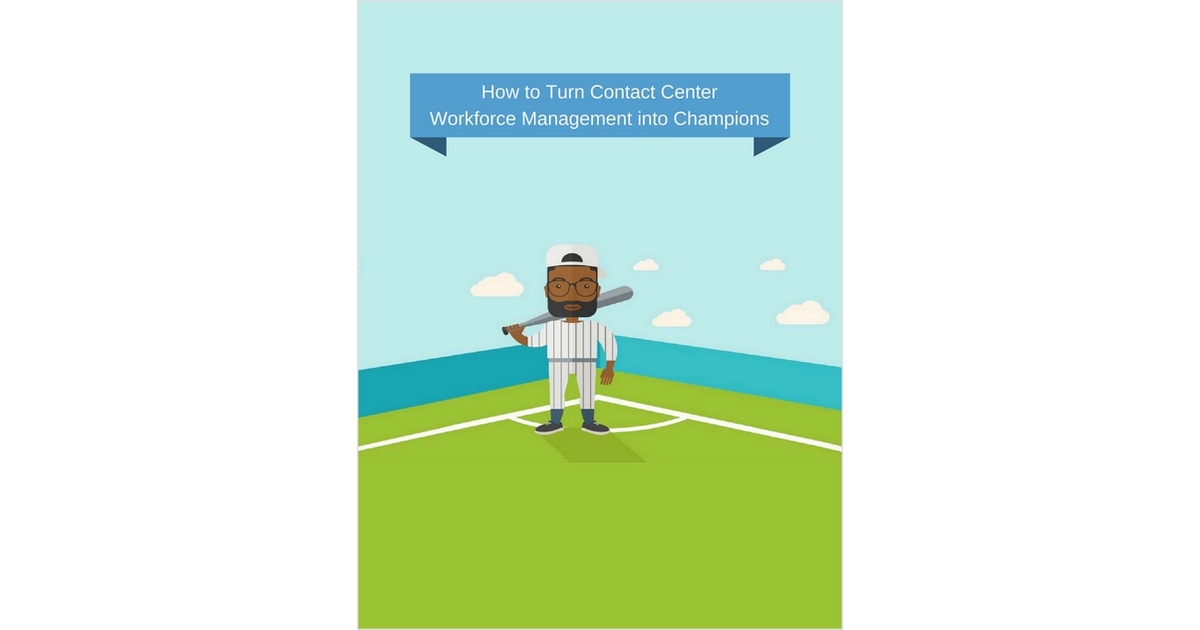
How to Turn Contact Center Workforce Management into Champions
When you think of a call center, the last thing you’d associate it with is baseball. But for those of us who work in contact center workforce management (WFM)...
 Report
The State of the Contact Center in 2026
Balancing AI Innovation with Human Connection to Reimagine Customer Experience ICMI conducted the survey in August and September 2025 via emailed invitations t...